
Green infrastructure improves health and wellbeing while mitigating exposure to climate extremes
As global temperatures rise and urban centers are projected to house 68% of the world’s population, the intersection of public health and urban planning has become increasingly vital. Cities are especially vulnerable to intensifying heat and its associated health risks due to the combined effects of climate change and the urban heat island (UHI) effect, which makes urban areas significantly warmer than surrounding rural regions. Sustainable, resilient, and health-centered urban development offers promising solutions for mitigating public health risks while improving overall urban well-being.
Trapped heat from the UHI effect can raise urban temperatures by 1 to 6°C, and in some cases up to nearly 43°F. This occurs because cities often contain:
Heat-absorbing materials like concrete and asphalt
Dense building structures that restrict airflow
Additional heat generated from vehicles, buildings, and other human activities
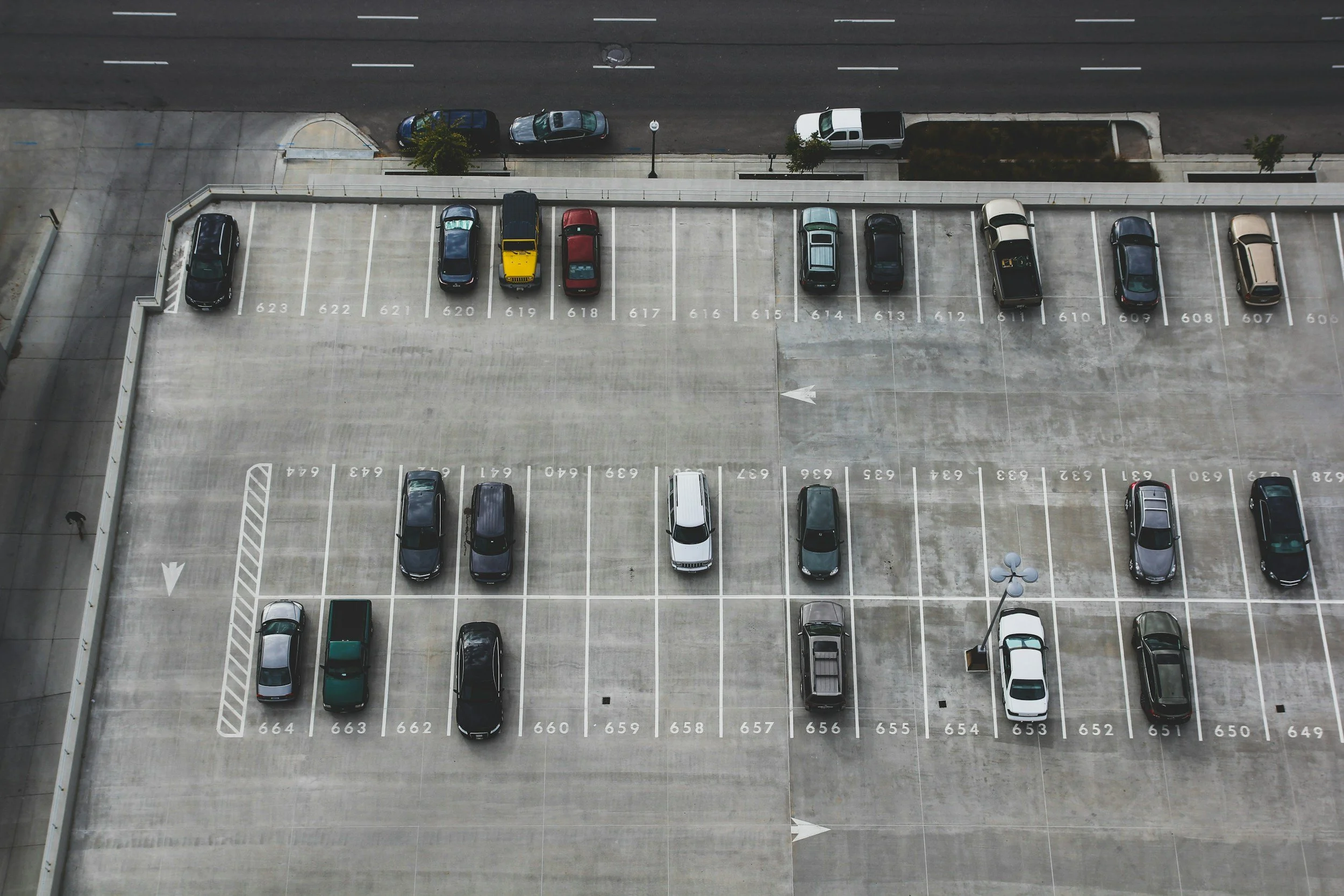
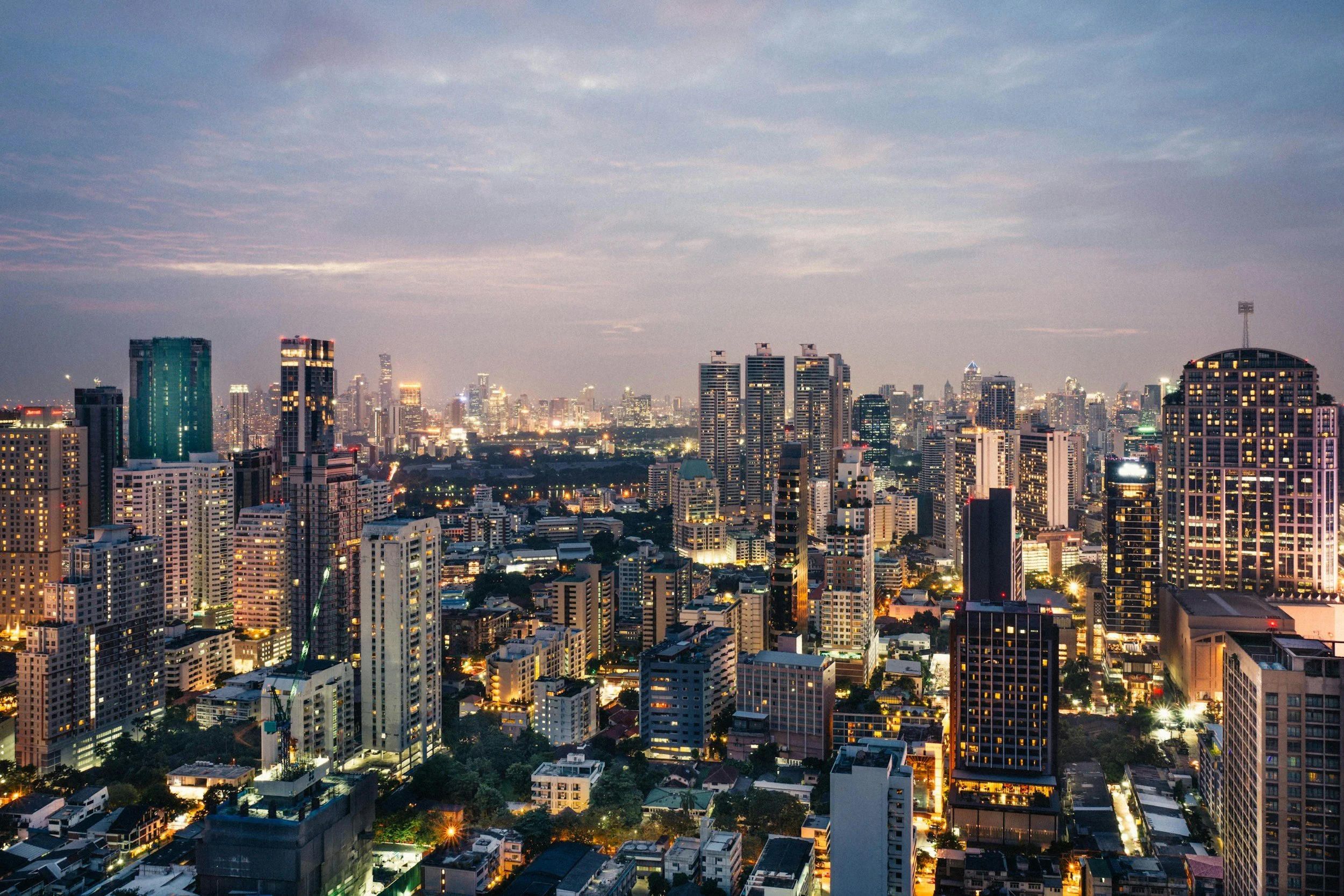

Green infrastructure strategies can help lower temperatures to mitigate the urban heat island effect
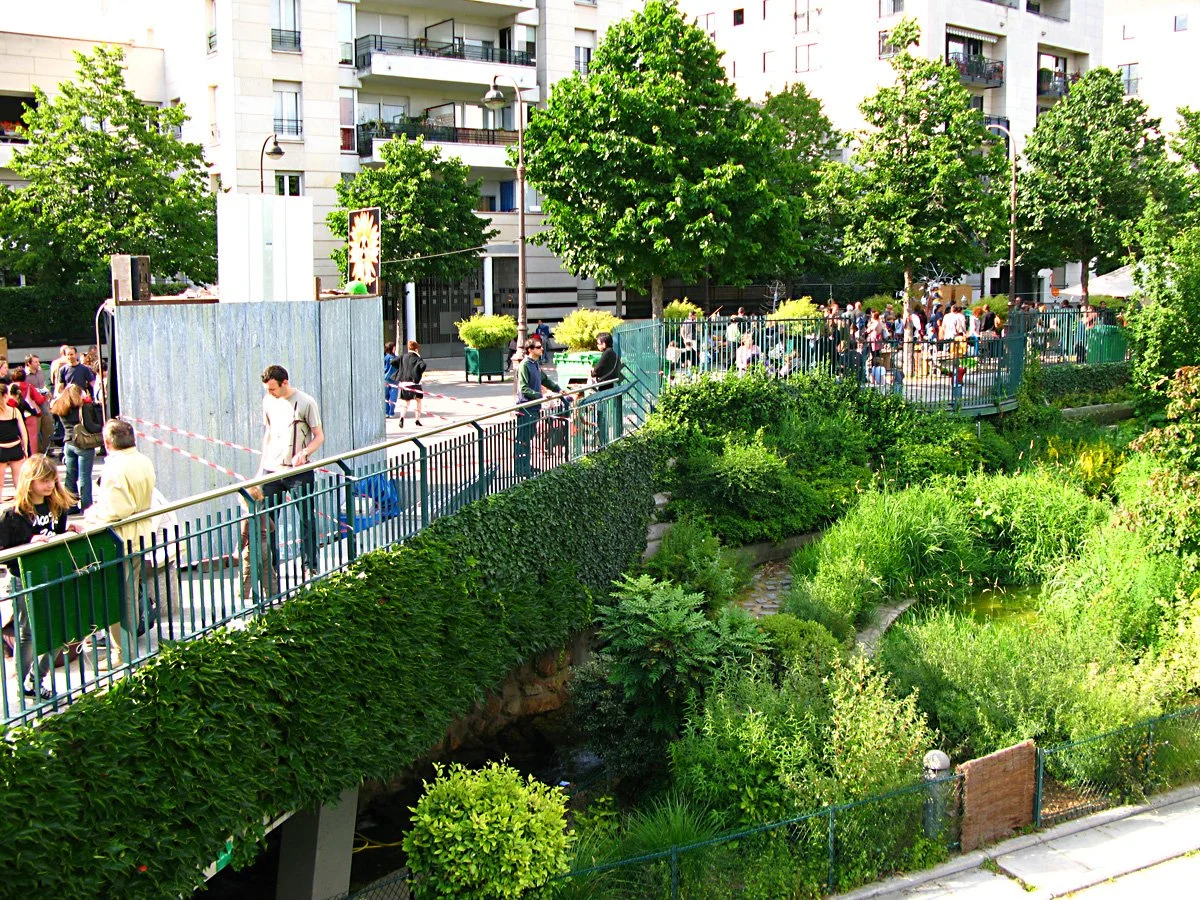
By shading streets, promoting evapotranspiration, improving airflow, and reducing heat absorption, urban greening efforts like these cool temperatures that reduce heat strain on the human body, decreasing the risk of heat-related illnesses such as heat exhaustion, heat stroke, and cardiovascular stress that constitute as the leading cause of weather-related mortality.
Some studies demonstrated a reduction in heat by about 30 to 40°F through some interventions, such as:
Expanded tree canopy coverage
High-albedo vegetation that reflects sunlight
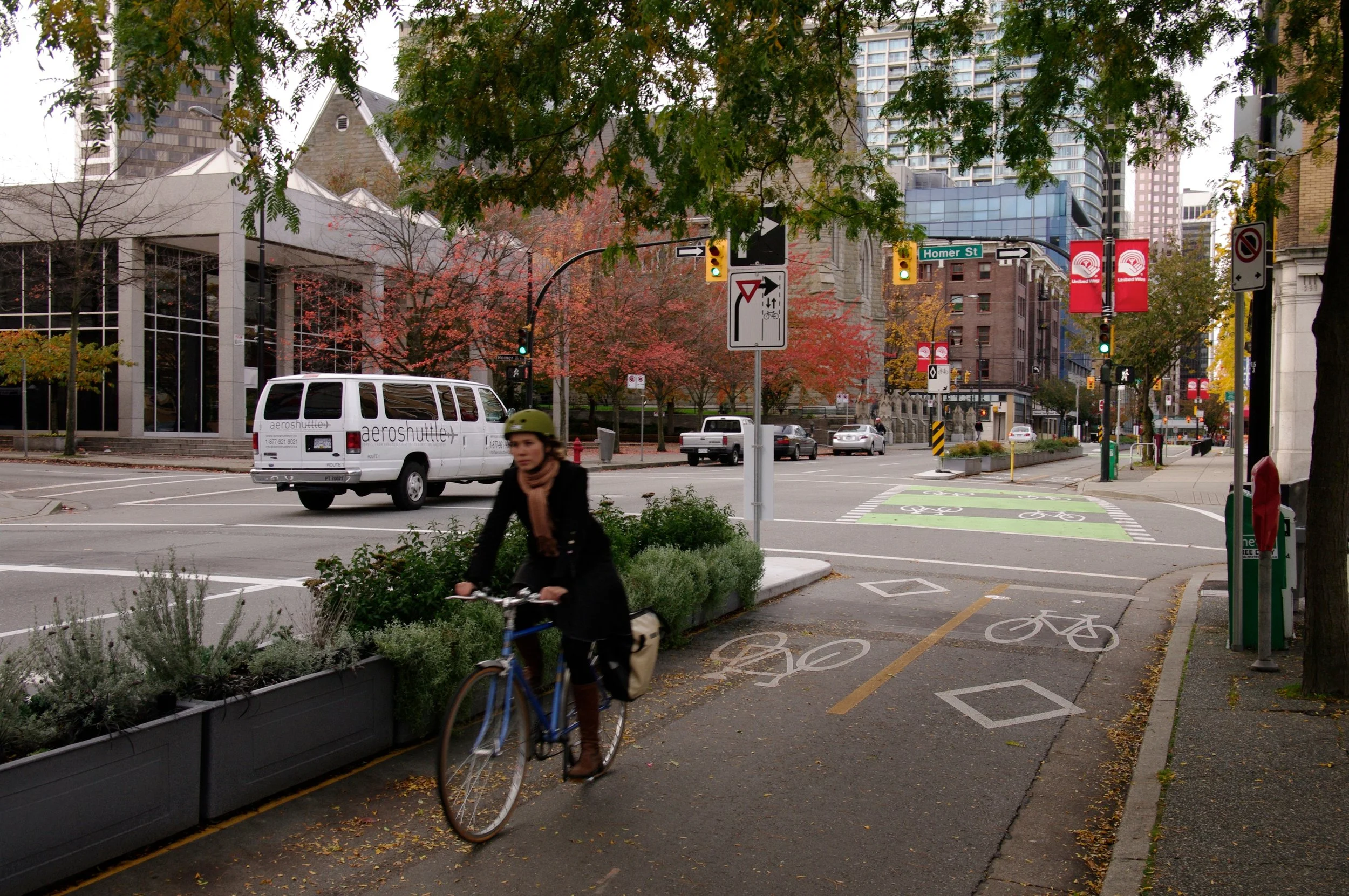
Greenways for protected transportation and recreation
Strategically placed parks and green spaces
Green roofs
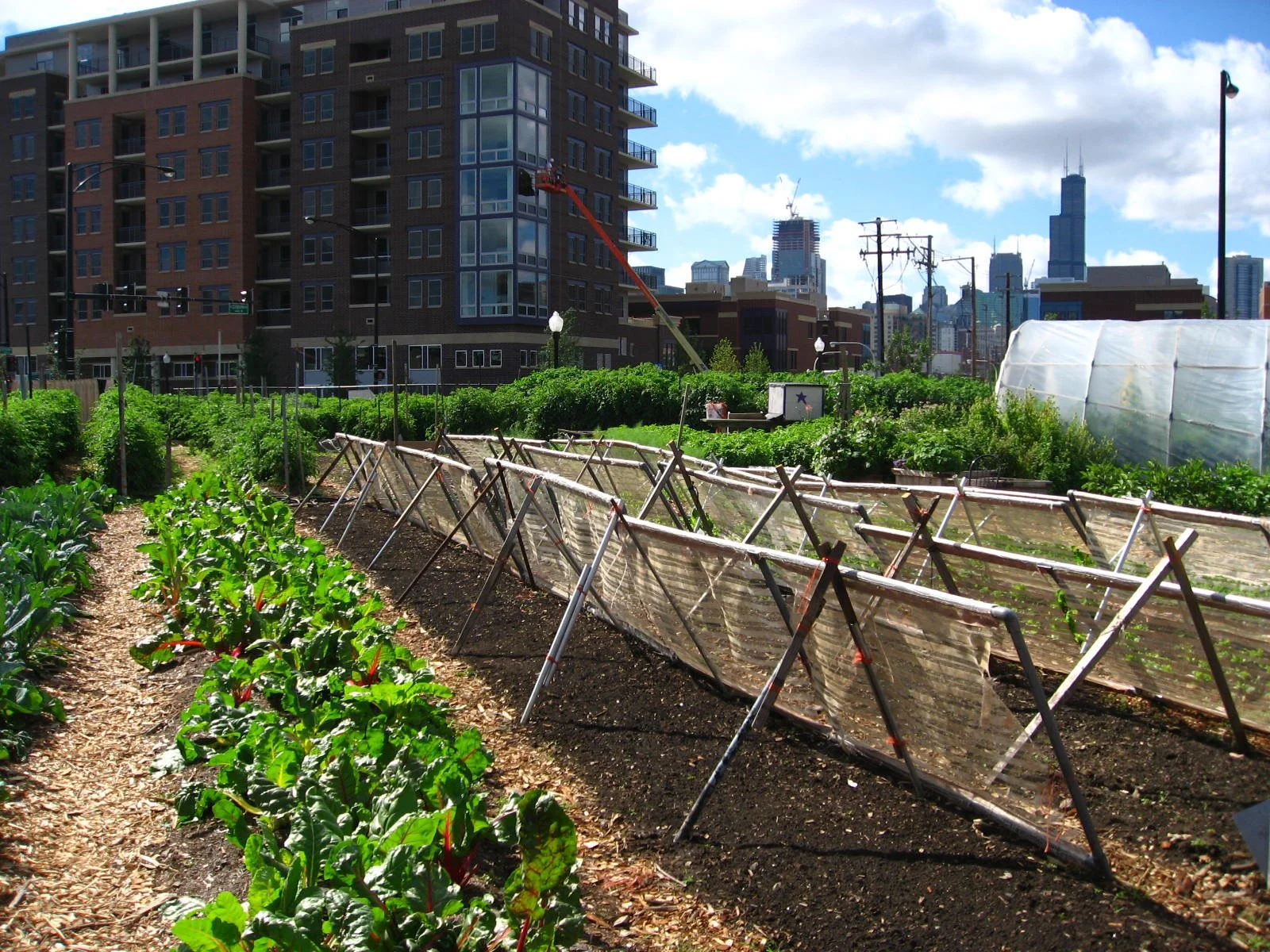
Urban agriculture
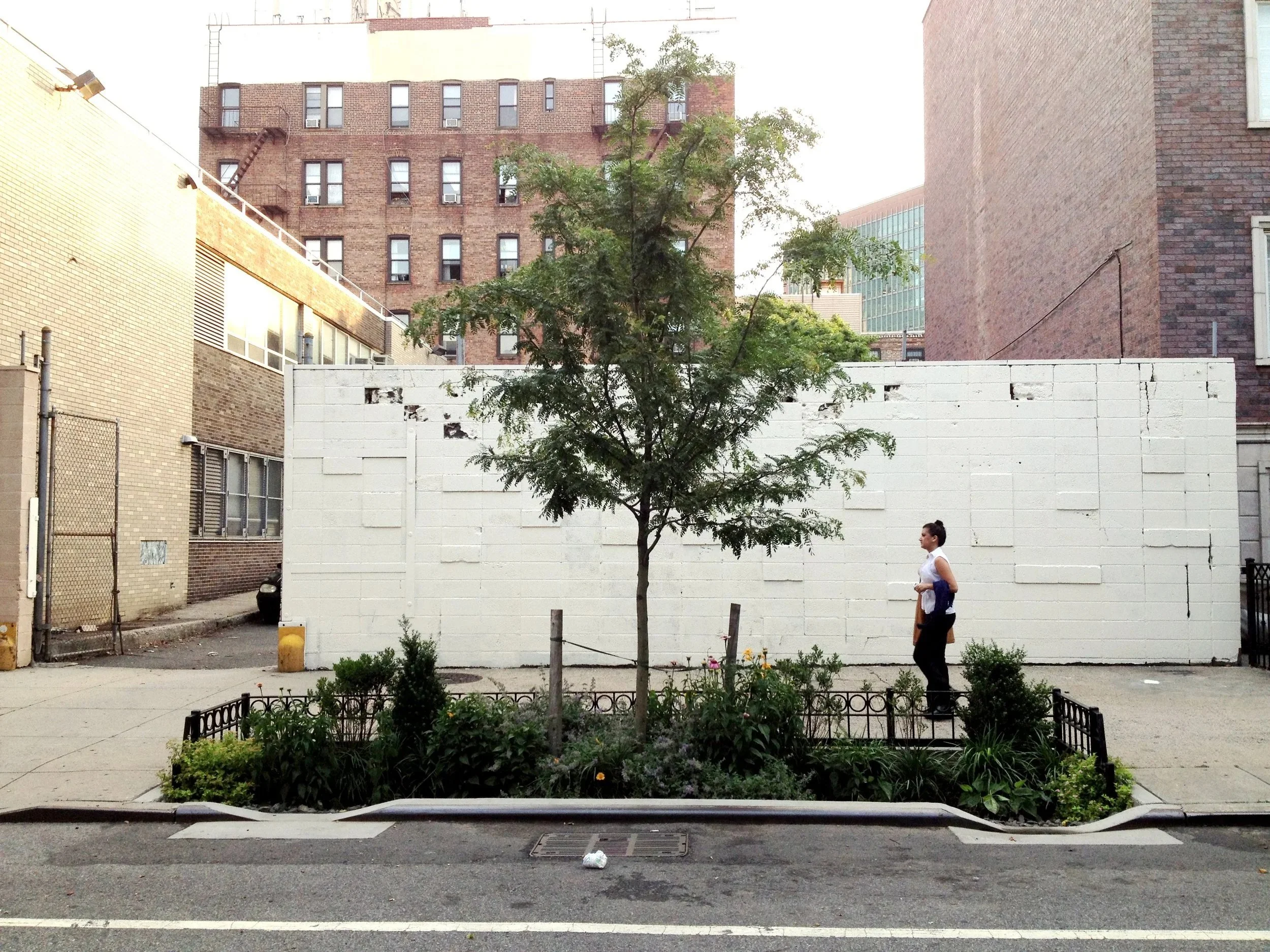
Stormwater planters and bioswales
Not all interventions will have equal heat mitigation effects – but some are also important stormwater mitigation strategies. These green stormwater infrastructure (GSI) techniques are especially important for costal cities and areas in flood planes that are susceptible to intense rain and flooding events that are also increasing as temperatures rise globally.
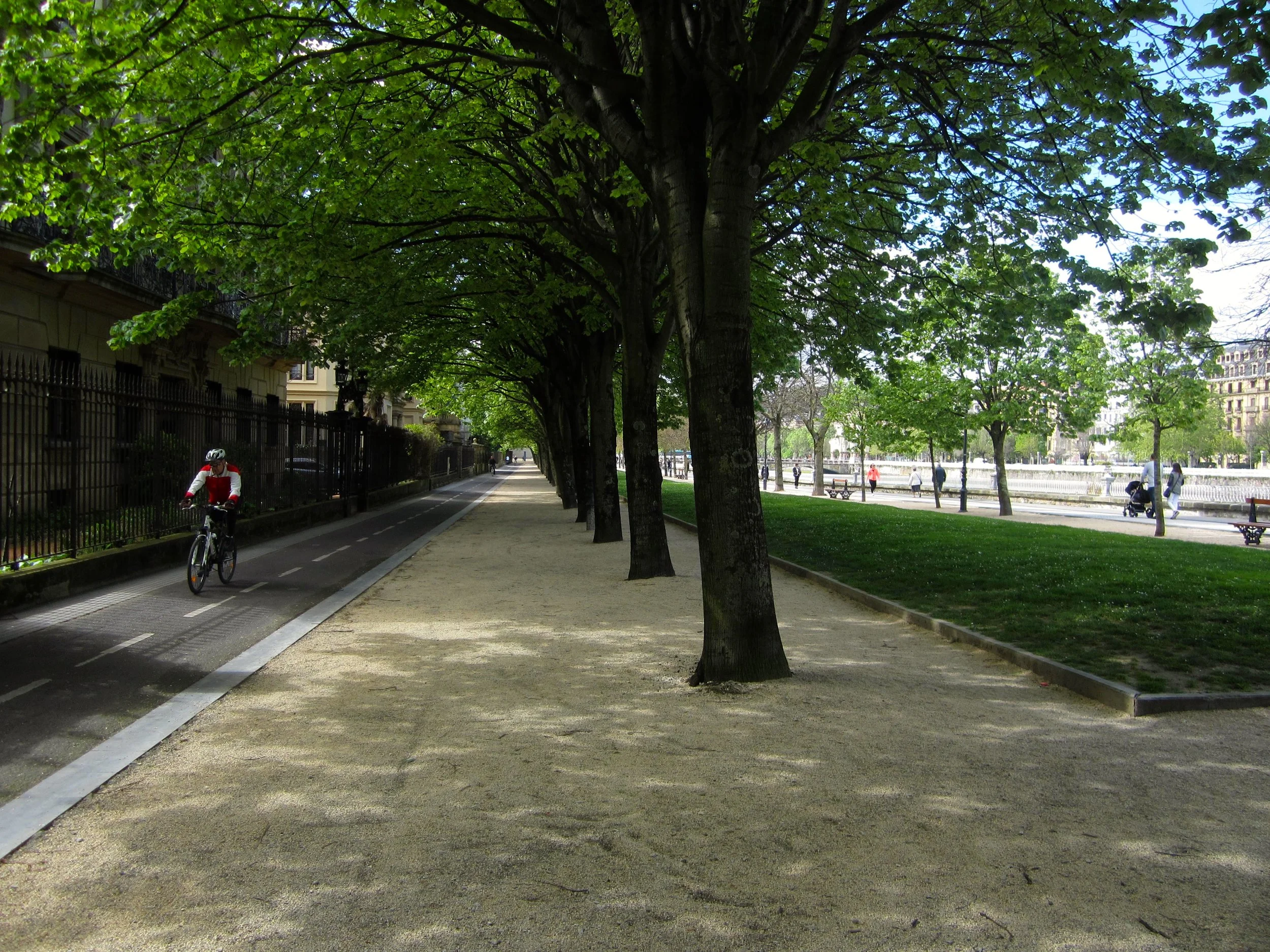
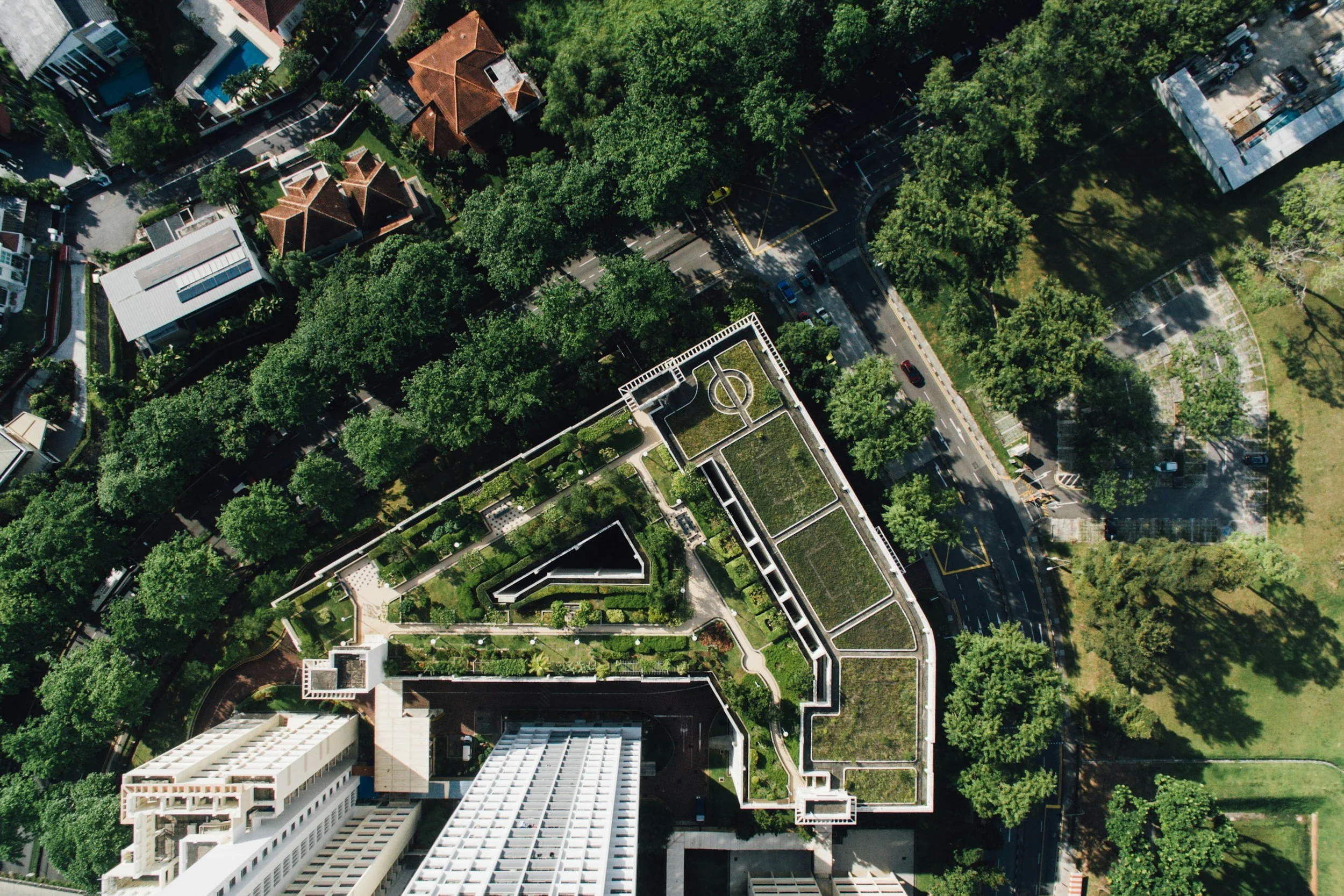
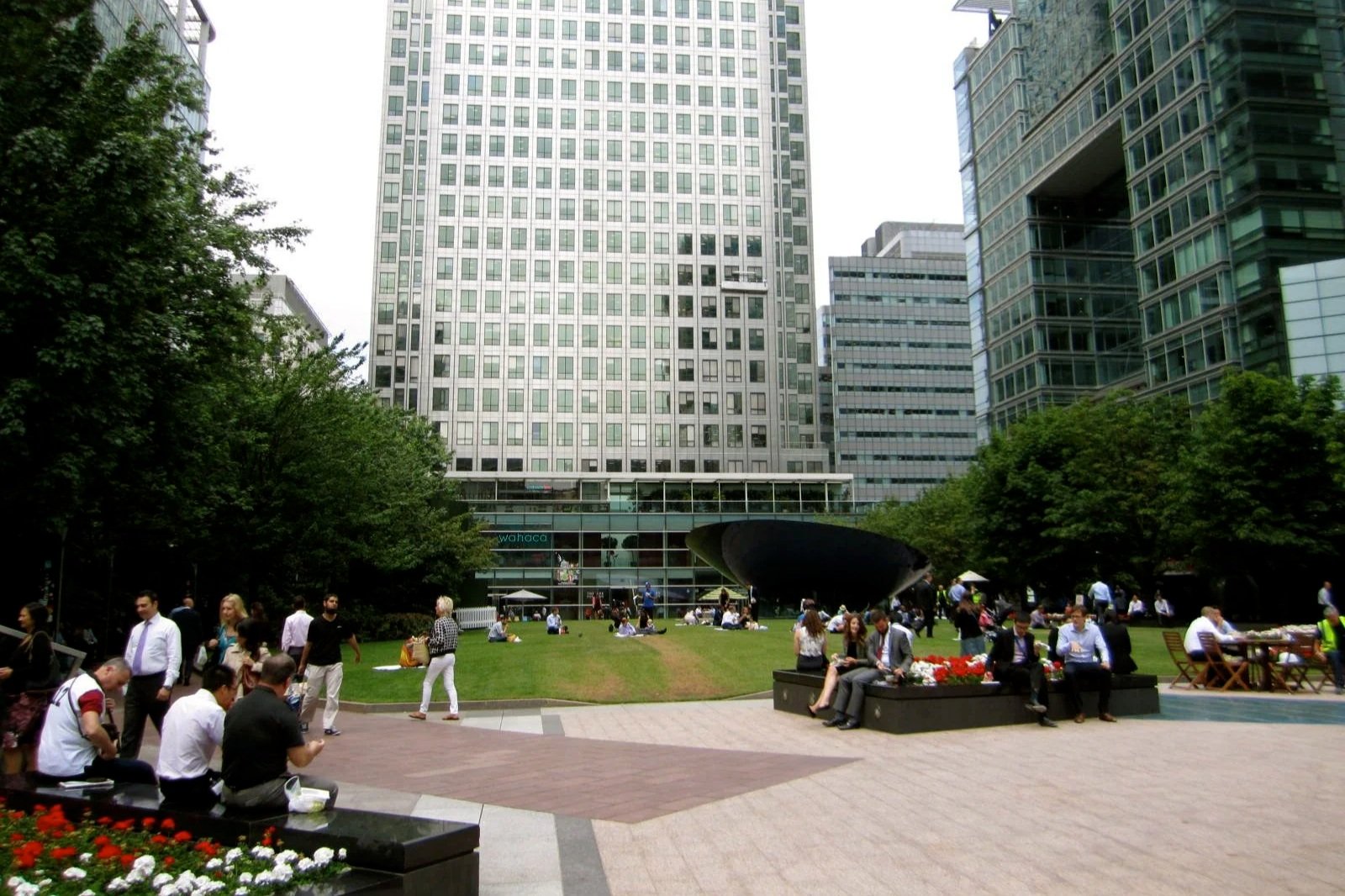
Green Infrastructure has additional intersecting health benefits
Mental Health & Community Connection
Alongside reducing exposure to extreme heat and flooding, exposure to urban vegetation and green space provides numerous mental and social health benefits, including:
Elevated mood and overall happiness
Increased opportunities for interaction in vital “third places,” welcoming environments outside of home and work that foster relaxation, recreation, and social connection
Physical Health & Mobility
The presence of green infrastructure also offers physical health benefits by countering urban sedentary lifestyles, such as:
Increased mobile activity through walking, biking, and spending time outside and increased street safety
By making streets and other urban spaces more inviting, green infrastructure encourages people to walk, bike, and engage with their environment in ways that further improve physical and mental health. Collectively, these interventions demonstrate how urban greening integrates heat mitigation with holistic health improvements to make cities more livable and resilient.
Urban greening efforts are in our own backyards
Urban greening initiatives are increasing across the world, including efforts here in Wisconsin. Reflo, a Milwaukee-based nonprofit, promotes green infrastructure to support sustainable water use, environmental resilience, and equitable urban development. Its programs, such as green and healthy schools and urban agriculture placemaking initiatives, use stormwater management as a tool for creating green spaces that improve climate resilience and urban quality of life. In Madison, the Urban Tree Alliance preserves and expands the city’s tree canopy, contributing to urban cooling, improved air quality, and enhanced community well-being through their urban forestry initiatives.
These projects and other innovative design strategies, such as using stormwater planters as bike lane buffers, demonstrate how green infrastructure can achieve multiple goals at once: making streets safer, mitigating heat, managing stormwater, improving air quality, and promoting mobility and overall health. By thoughtfully integrating these nature-based solutions, cities can transform strained urban environments into resilient, healthy, and enjoyable spaces for all.