
Danish Dorm Life and Climate Collectivism
BY MIRA MOLTHEN
My name is Mira, and I am a UW student currently studying abroad in Copenhagen for the academic year. Denmark is one of the happiest countries in the world, and I definitely see this reflected in the student life. Many of the student experiences, especially those related to sustainability, are both enjoyable and make me feel good about my environmental footprint. Here, I will talk about the different components of student life that have inspired me while living abroad:
University Culture.
The university culture in Denmark is less rushed. It is common for Danes to take a few gap years after high school and start college in their 20’s. I am the youngest out of my 20 roommates in university, even though I am in my 6th semester of studies. Many students take breaks in between their bachelor's and master's programs and graduate in their late 20’s or early 30’s. There are fewer exams here (usually only one at the end of the class), and Danes aren’t as grade-focused. I find this culture shift to be quite valuable. Danish students are less burnt out with what they are studying, and - the academic atmosphere is less competitive. There is more focus on spending quality time with others and finding your interests rather than just career growth during the time in your early 20s, while you are young and trying to navigate adulthood.
Social Welfare.
One of the important factors to note about student life in Denmark is the financial net their government provides for university students. Not only are public universities free for Danish citizens and EU students with Danish residence, but students also get a monthly stipend (SU) payment. The average SU payment students get per month amounts to approximately $940-$1,200 USD. The government implemented this stipend program in hopes of providing opportunities for students with all different backgrounds to attend university. I believe this definitely leaves a positive impact on students’ well-being as they have less financial stress while attending college.
Kollegium Life.
While in Denmark, I have been living in a “kollegieum” or the Danish equivalent of a dorm. tThis dorm is quite different from the dorms in the US, as there are many different practices we have that add to students' well-being and create a sustainable environment. Instead of living in the dorms for one to two years, many students live in the dorms for their entire time in university (5+ years). On my floor, there are many different ages, interests, and backgrounds. This creates an almost family-like structure as each person is in a different stage of their life and may take on a supportive role similar to that of a younger or older sibling. Listed below are some of the things that I think are unique about kollegium life:
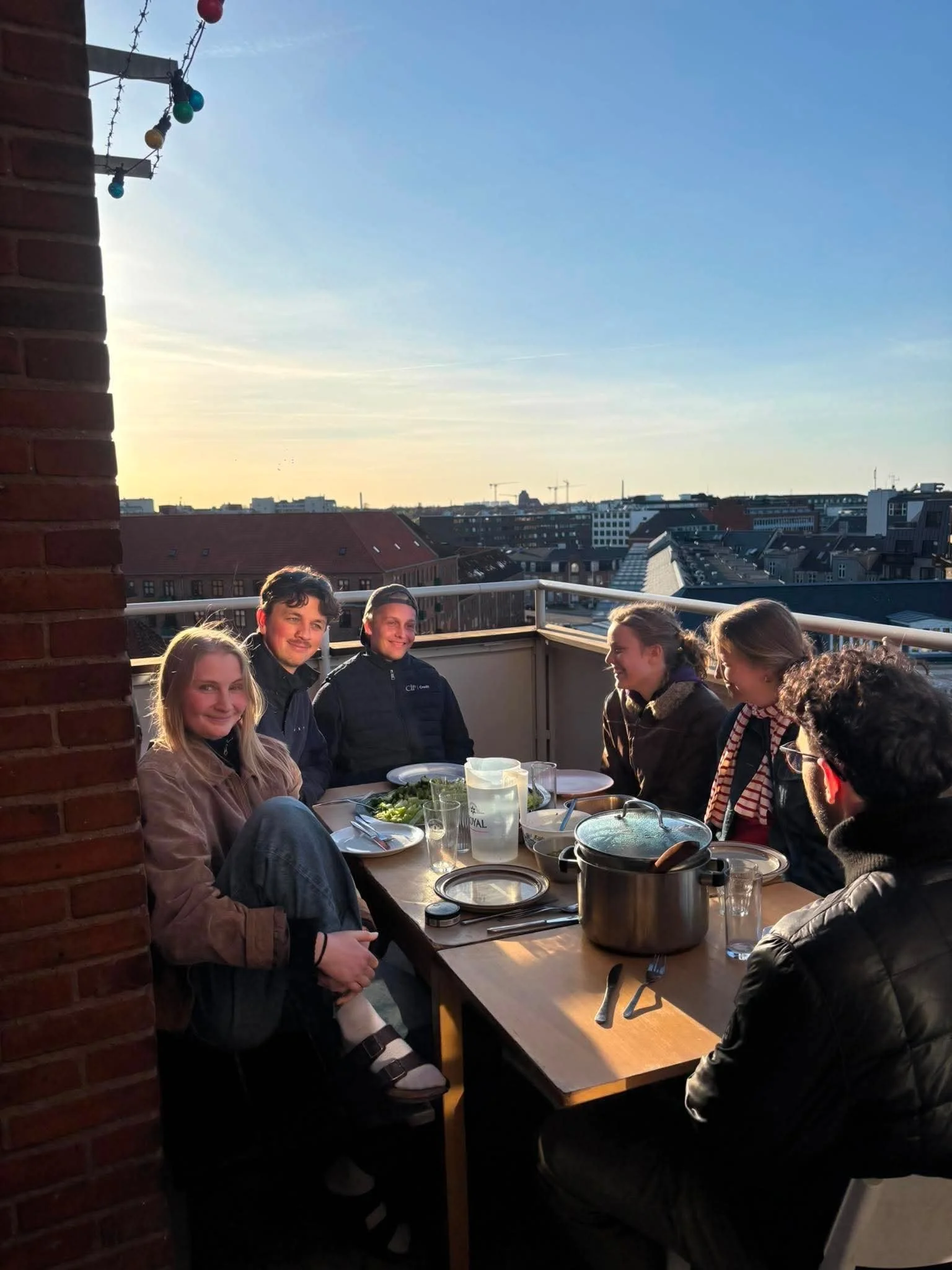
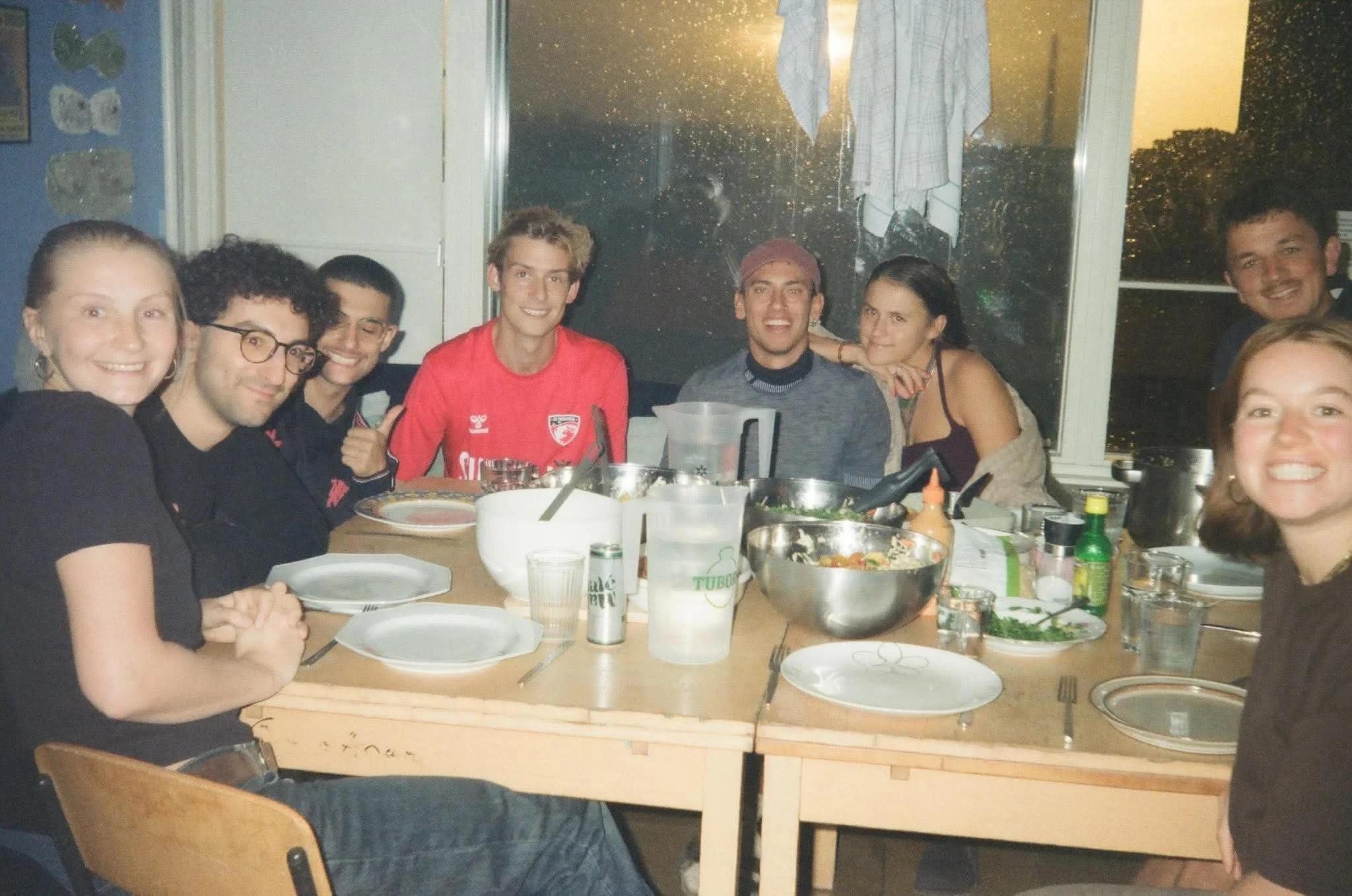
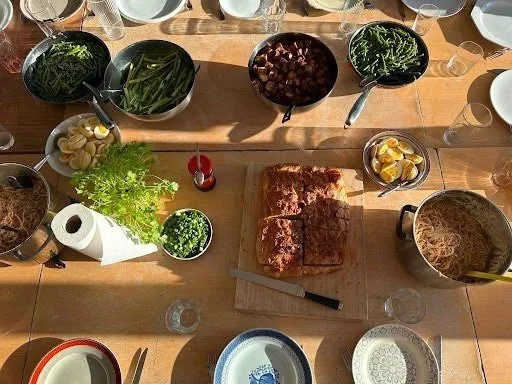
Shared Meals. My roommates and I share meals 5 days a week; each of us hosts a food club one day a month. We cook for the number of people who have signed up, usually 10 or so, and distribute the leftovers amongst all dinner participants. Shared meals lead to a reduction in food waste. While sharing a kitchen is not an option for most students living in dorms in the US (when I lived in Sellery, there was 1 kitchen for approx. 1,300 residents), I think home-cooked food can be practiced more often. My freshman year, I remember it was tough living in the dorms because sometimes going to the dining hall by myself felt lonely. I believe coordinated communal meals would have definitely helped with these feelings. For example, upperclassmen who aren’t living in the dorms can choose to coordinate shared weekly dinners, rotating between different friends/apartments. From my personal experience, it is fun to be able to make dinner for the people you care about, and it also builds confidence. Home-cooked meals also tend to be healthier, offering nutrient benefits. Many of my roommates (myself included) eat plant-based diets, making our dinners extra sustainable! I definitely plan on making more communal dinners with friends back at UW next year.
Common spaces.
Many common facilities are unique to the dorm I live in, including the following:
Creative Room: At my dormitory, we have a room that can be used for various crafts, from sewing to painting and more. This creates a culture of reusing and repairing by supporting access to tools for fixing items you already have.
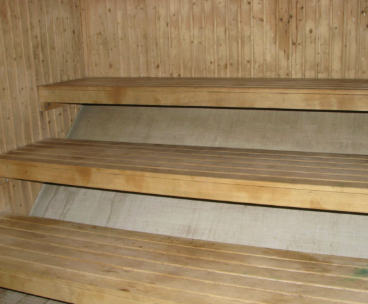
Sauna: All residents share a sauna that is very popular, especially during the winter months. The sauna is beneficial to both physical and mental well-being. Studies have shown that saunas have health benefits, such as a reduction in the risk of vascular diseases and high blood pressure.
Bike Repair Room: There is a room that has lots of bike tools. Many students use this, and also bring their friends over to take advantage of the tools we have to help fix bikes.
Costume Closet: Every Wednesday, there is a group of residents at the dorm who open the doors to a big shared costume closet we have. Students can rent out costumes for many of the themed parties we have. This is especially important as it creates a culture in which you don’t need to actively seek out new clothes for a themed party (I found myself doing this a lot, especially for Halloween back in the US). Also, I think the costumes are more unique as they have been used by different residents for years.
Reading Hall: We have a reading hall that also turns into a dance floor for big events during the year. The multi-use nature of this area is perfect for students because it can be adapted to fit the needs of the given time of the year. For example, the months of December and January are study months, so these rooms get cultivated for this use, whereas during the summer, the hall is also home to different concerts that students can attend.
Kitchen: At my dorm, I share a kitchen with approximately 20 other people. You might think - how does this work? I can hardly share a kitchen with 3 other housemates! - but we all have different roles and responsibilities to make this work. I'm responsible for cleaning the kitchen 1-2 nights a week. But there are other tasks some of my roommates have, for example, there is another person who is responsible for buying all of our spices and baking ingredients. I've noticed that these roles help us all feel like part of a team.
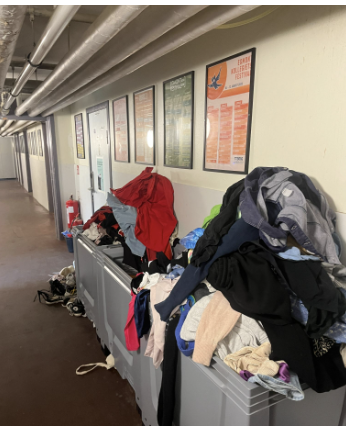
Donation Areas. In the basement, there is a place where students can leave furniture, clothes, and other items they don’t need anymore. This is where I found the majority of the furniture for my room, as it was so convenient. I know some UW dorms have the option that students can leave their belongings there upon moveout, but having a year-round place where students can take these items supports a general culture of reuse and community connection. I also think that there should be more overlap in coordinating how some students can leave behind items for upcoming residents, as I think this would lead to much less waste.
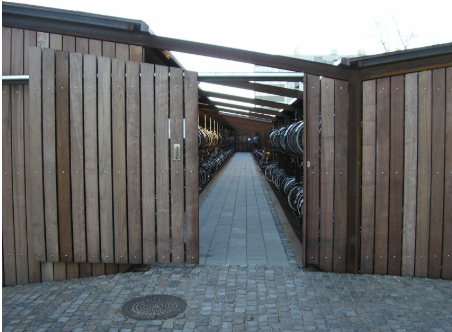
Bike Storage. There are no car parking spots at my dorm; however, there are many places to store a bike, including storage with a cover and a key system to reduce bike theft. Copenhagen is known for its bike friendliness, so it's no surprise that the majority of students bike as their primary means of transportation. There are also many bike racks among dorms at UW; however, because they are not sheltered or secured, they can’t do much to prevent bike theft, and also leave bikes vulnerable to the winter conditions. Providing a way to keep them covered at UW–Madison could support more biking and economic sustainability for students.
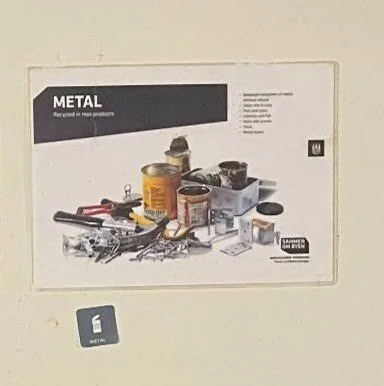
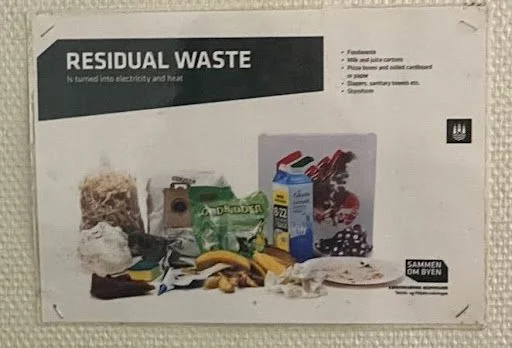
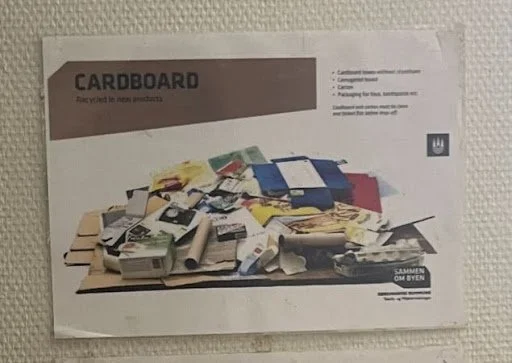
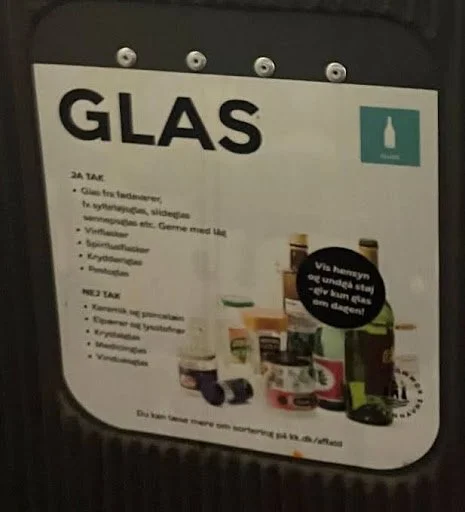
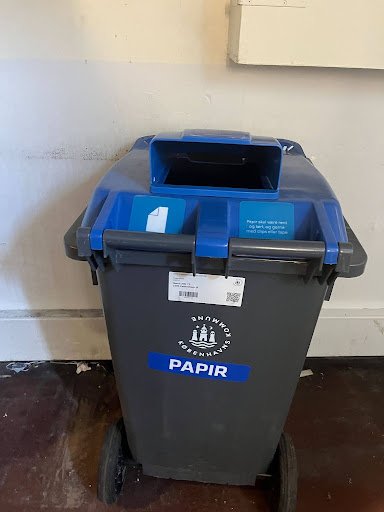
Recycling. In Denmark, recycling rates have gone up by approximately 500,000 tons per year from 2014 to 2023. At my dorm, there is a very deliberate recycling process. There are specific bins for metal, cardboard and plastic, compost, batteries, glass, and regular trash. There is also another recycling method for cans and glass beer bottles. People get money for each item they recycle, which they can collect at the local grocery store. This leads to a combined effort between all residents to make sure they are thoughtful about their waste. I think this would be great if it were adopted at UW, as I can only imagine how many cans after UW tailgates are not recycled properly. One Big Ten school reported 77 tons of waste being generated after a single football game. Furthermore, many places in Madison practice “single-stream recycling”, in which all recycled products are collected together in one bin. This type of recycling method leads to more contamination and recycled material going to landfills.
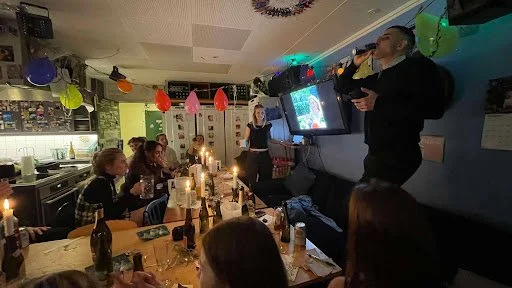
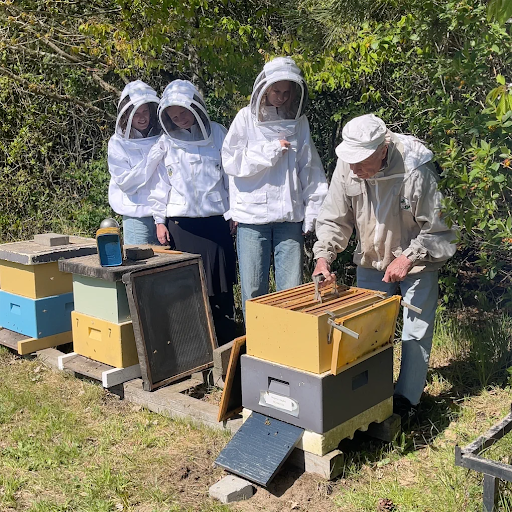
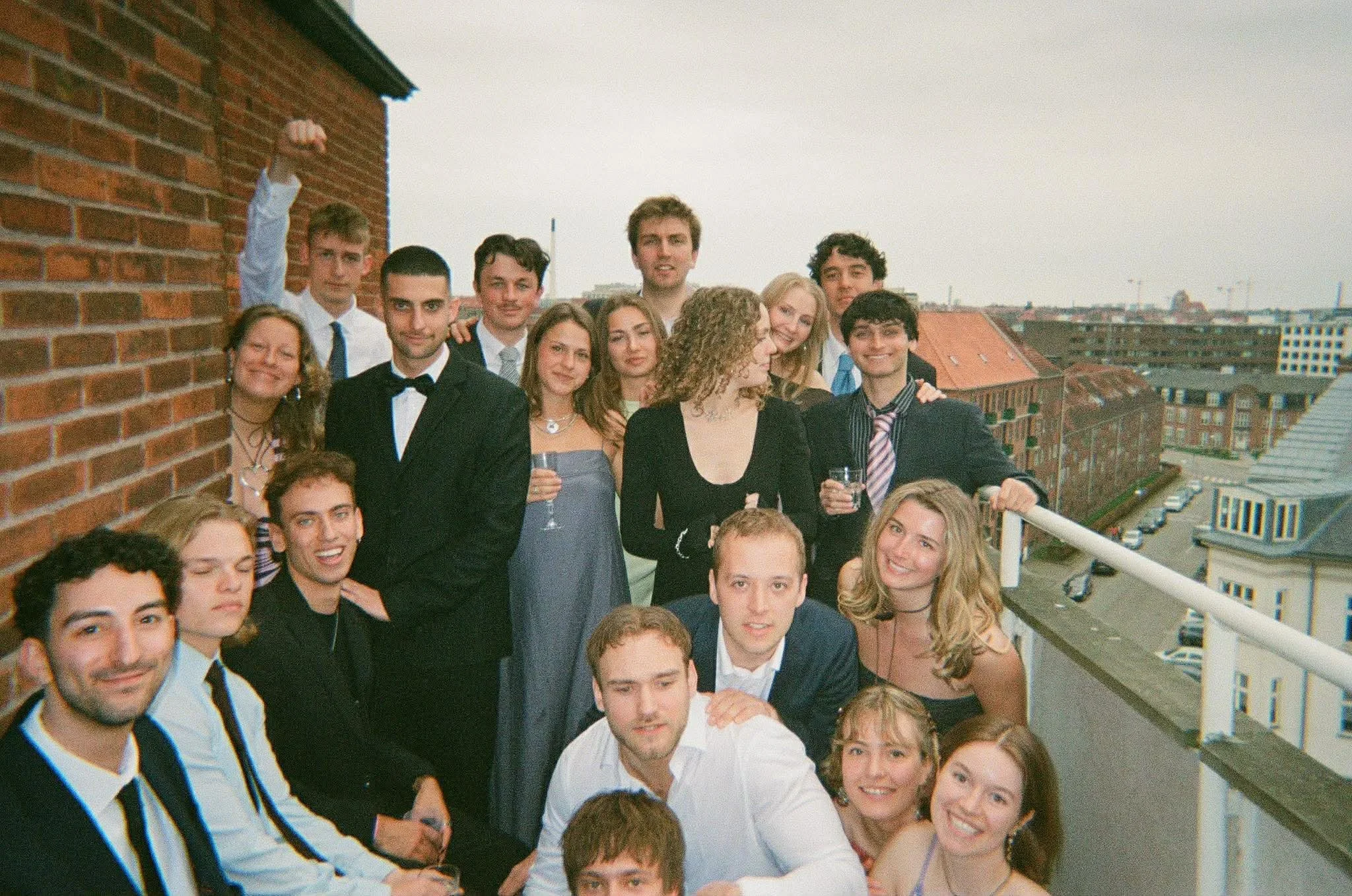
Fun! At my dorm, there are many festivities and different traditions. These include a New Year's Eve party, summer music festival, Gala, and more. We have a bar in the residence, as well as a dance floor that gets used quite often. This makes the dorm itself the place to have fun. Many residents live here for multiple years throughout their studies, and the dorm becomes their main community. I think the fun we have gives us the energy to continue with sustainable practices. Although at times the student life can be stressful, I find there are many factors of wellbeing and creating fun that provide me with the energy to keep preparing myself with the educational foundation for my future. In the days that I find myself stressed with studies, I know what a shared meal and a sauna session can do to lift my spirits and provide me with the levelheadedness I need. Linked here is a list of all the different festivities we have.
I have had the absolute best time living in Copenhagen this past year, and I feel like a lot of this appreciation has come from living in my dorm and the experiences it has provided me. As I plan on returning to UW to complete my bachelor's, I am going to continue some of the dormitory traditions I have found so fun. I have already talked to my friends about hosting communal dinners and building a community based on sharing time with others more frequently. I will also work toward sharing these new perspectives I have to hopefully benefit other students as well.